Paul Valéry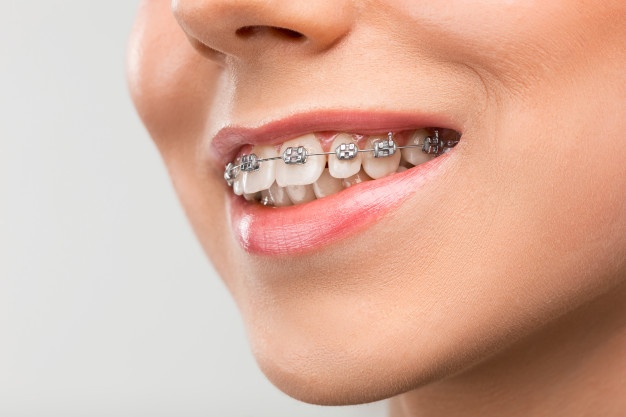
Understanding the Financial Implications of Adult Orthodontics
The decision to pursue orthodontic treatment as an adult represents far more than a cosmetic choice. Whilst many individuals associate orthodontic care primarily with adolescence, a growing body of evidence suggests that adults who invest in straightening their teeth may reap substantial economic benefits throughout their professional and personal lives. The financial implications extend well beyond the initial treatment costs, encompassing career advancement opportunities, reduced long-term dental expenses, and enhanced social capital that can translate into tangible monetary gains.
Modern orthodontic solutions have evolved considerably, offering discrete options that align with professional environments and adult lifestyles. The accessibility of treatments such as braces Liverpool and similar services across the United Kingdom has made it increasingly feasible for working professionals to address dental misalignment without disrupting their careers. This shift in accessibility has prompted economists and healthcare researchers to examine the return on investment that orthodontic treatment provides to adult patients.
The Professional Advantages of a Confident Smile
Career Progression and Earning Potential
Research into the relationship between dental aesthetics and professional success reveals compelling correlations. Studies examining the connection between orthodontic treatment and income levels have demonstrated that individuals with straight, well-aligned teeth often command higher salaries and experience more rapid career advancement. This phenomenon appears particularly pronounced in client-facing roles, where first impressions and ongoing interpersonal interactions significantly influence professional outcomes.
The confidence boost associated with improved dental alignment cannot be understated when considering its economic value. Professionals who feel self-assured about their appearance tend to participate more actively in meetings, pursue leadership opportunities with greater frequency, and negotiate more effectively during salary discussions. These behavioural changes, whilst seemingly subtle, accumulate over time to create measurable differences in career trajectories and lifetime earnings.
Networking and Business Development
In today’s interconnected business landscape, the ability to form strong professional relationships often determines success as much as technical competence. Adults who have addressed dental misalignment through orthodontic treatment frequently report increased comfort in networking situations, leading to expanded professional connections and enhanced business development opportunities. The willingness to smile freely during introductions, presentations, and social gatherings creates memorable positive impressions that facilitate relationship building.
Long-Term Health Economics and Preventative Savings
Reducing Future Dental Expenditure
Orthodontic treatment during adulthood serves as a preventative measure that can substantially reduce future dental costs. Misaligned teeth contribute to uneven wear patterns, increased risk of tooth decay in hard-to-clean areas, and potential temporomandibular joint disorders. By addressing these alignment issues proactively, adults can avoid costly restorative procedures, including crowns, bridges, and implants that might otherwise become necessary in later years. The cumulative savings from preventing such interventions often exceed the initial orthodontic investment.
Properly aligned teeth facilitate more effective oral hygiene practices, enabling thorough brushing and flossing that prevents periodontal disease and cavities. The financial burden of treating advanced gum disease or multiple dental restorations can prove substantial, particularly when considering the time away from work required for extensive dental appointments. Academic research into the cost-effectiveness of orthodontic interventions supports the notion that early investment yields considerable long-term savings.
Quality of Life and Productivity Considerations
The economic value of orthodontic treatment extends into less tangible but equally significant areas of wellbeing. Adults experiencing chronic jaw pain or headaches related to malocclusion often suffer reduced workplace productivity and increased sick leave. Addressing these underlying structural issues through orthodontic correction can eliminate such symptoms, resulting in improved work performance and reduced absenteeism. The financial implications of enhanced productivity, whilst difficult to quantify precisely, represent genuine economic value for both employees and employers.
Making an Informed Investment Decision
When evaluating the economic merits of adult orthodontic treatment, individuals should consider both immediate costs and long-term returns. The financial benefits associated with improved dental alignment manifest across multiple dimensions, from enhanced earning potential to reduced healthcare expenditure. Flexible payment plans and the availability of various treatment options, including braces Liverpool residents can access through specialist practices, have made orthodontic care more financially accessible than ever before.
The evidence supporting orthodontic treatment as a worthwhile economic investment continues to strengthen. Adults contemplating such treatment should view it not merely as an aesthetic enhancement but as a strategic investment in their professional future, long-term health, and overall quality of life. The returns, both financial and personal, frequently justify the initial expenditure many times over.