Paul Valéry
Clothes reveal details before introductions happen. Poor proportions often distract from personal presence. Tailoring changes how garments sit and move. Better alignment creates comfort during long days. A refined fit strengthens visual credibility. Those exploring tailored clothing options may visit site for deeper guidance.
Better Fit Starts With Body Proportions
Standard sizing follows broad measurement averages. Real bodies rarely match those patterns exactly. Height affects sleeve placement and trouser length. Shoulder width changes jacket balance considerably. Small adjustments create noticeable visual improvements. A fitted blazer, for example, frames posture more effectively. Clean proportions help garments appear intentionally chosen.
Why Does Comfort Improve So Much?
Comfort depends on movement, not fabric alone. Restricted clothing creates constant physical awareness. Tailors adjust pressure points across key areas. Sitting feels easier during extended meetings. Walking becomes smoother through corrected measurements.
Important comfort improvements include:
- Reduced shoulder tension
- Better waist flexibility
- Improved arm movement range
- Cleaner trouser positioning
Each adjustment contributes to effortless daily wear.
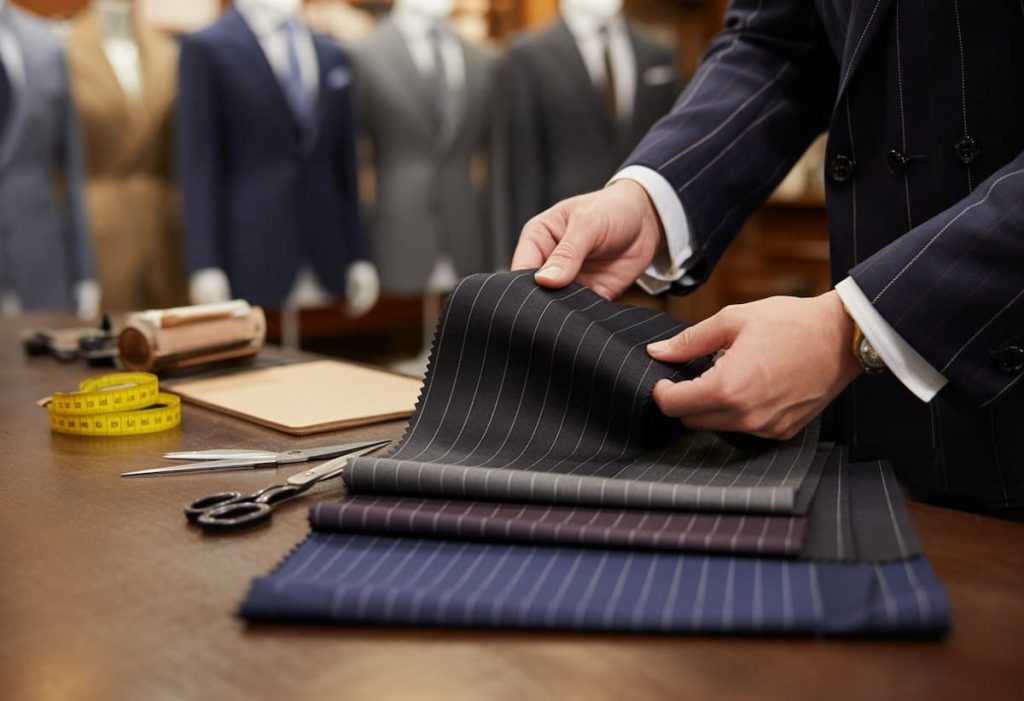
Professional Appearance Relies On Precise Details
People notice fit before brand labels. Wrinkling around sleeves signals poor proportions. Excess fabric affects visual sharpness immediately. Correct measurements produce cleaner garment lines. Business settings reward polished presentation frequently.
Consider these visible improvements:
- Balanced jacket silhouette
- Neater shirt cuffs
- Proper trouser break
- Refined overall profile
These details influence first impressions significantly.
Can Tailoring Extend Clothing Lifespan?
Well-fitted garments experience less unnecessary strain. Buttons face reduced pulling during movement. Seams encounter lower stress over time. Fabric maintains shape through repeated wear. Alterations often revive neglected wardrobe pieces.
A quality suit may serve longer. Strategic adjustments preserve value across years. Replacement costs often decrease through careful tailoring.
Personal Style Gains Greater Definition
Clothing should reflect individual preferences naturally. Retail sizing limits customization opportunities considerably. Tailoring allows subtle design refinements throughout garments. Lapel shape, tapering, and length matter.
Those seeking personalized wardrobe improvements may visit site for professional alteration solutions. Small modifications often create stronger visual identity. Personal style emerges through thoughtful details rather than trends.
The Finishing Touch That Stands Out
Attention often settles on garment balance. Crooked sleeves attract notice quickly. Excess fabric gathers around movement points. Proper adjustments remove those distractions entirely. Confidence grows when clothing performs predictably.
A tailored jacket sitting perfectly across shoulders leaves a lasting impression. That single detail communicates preparation, care, and professional awareness long before conversation begins.
FAQs
Is custom tailoring only for expensive clothing?
No. Mid-range garments often benefit greatly. Proper fit enhances overall appearance substantially.
How long do tailoring adjustments take?
Timing depends on garment complexity. Basic alterations often require fewer appointments.
Can tailoring help casual clothing?
Yes. Jeans, shirts, and jackets improve noticeably. Better proportions enhance everyday comfort.
Does tailoring change garment durability?
Correct fit reduces stress on construction points. Clothing often maintains shape longer.
Is tailoring worth the investment?
For frequent wear, the value remains clear. Improved comfort and presentation justify costs.