Luis

Understanding the Complexity of Paediatric Bite Issues
When children and teenagers experience complex bite problems, the impact extends far beyond cosmetic concerns. These orthodontic issues, medically termed malocclusions, can affect speech development, eating abilities, jaw growth, and even self-confidence during crucial developmental years. Whilst many parents assume that traditional braces offer a one-size-fits-all solution, malocclusion in children often requires a more nuanced approach that addresses the underlying skeletal and dental irregularities simultaneously.
Complex bite problems in young patients typically manifest as severe overcrowding, significant overbites or underbites, crossbites, or combinations of multiple misalignment issues. These conditions develop through a mixture of genetic inheritance, early childhood habits such as prolonged thumb-sucking, premature loss of baby teeth, or developmental anomalies in jaw growth. Unless you seek specialist orthodontics Liverpool, these problems can worsen as permanent teeth emerge and facial structures continue to develop, making early intervention particularly valuable.
The Role of Specialist Assessment and Diagnosis
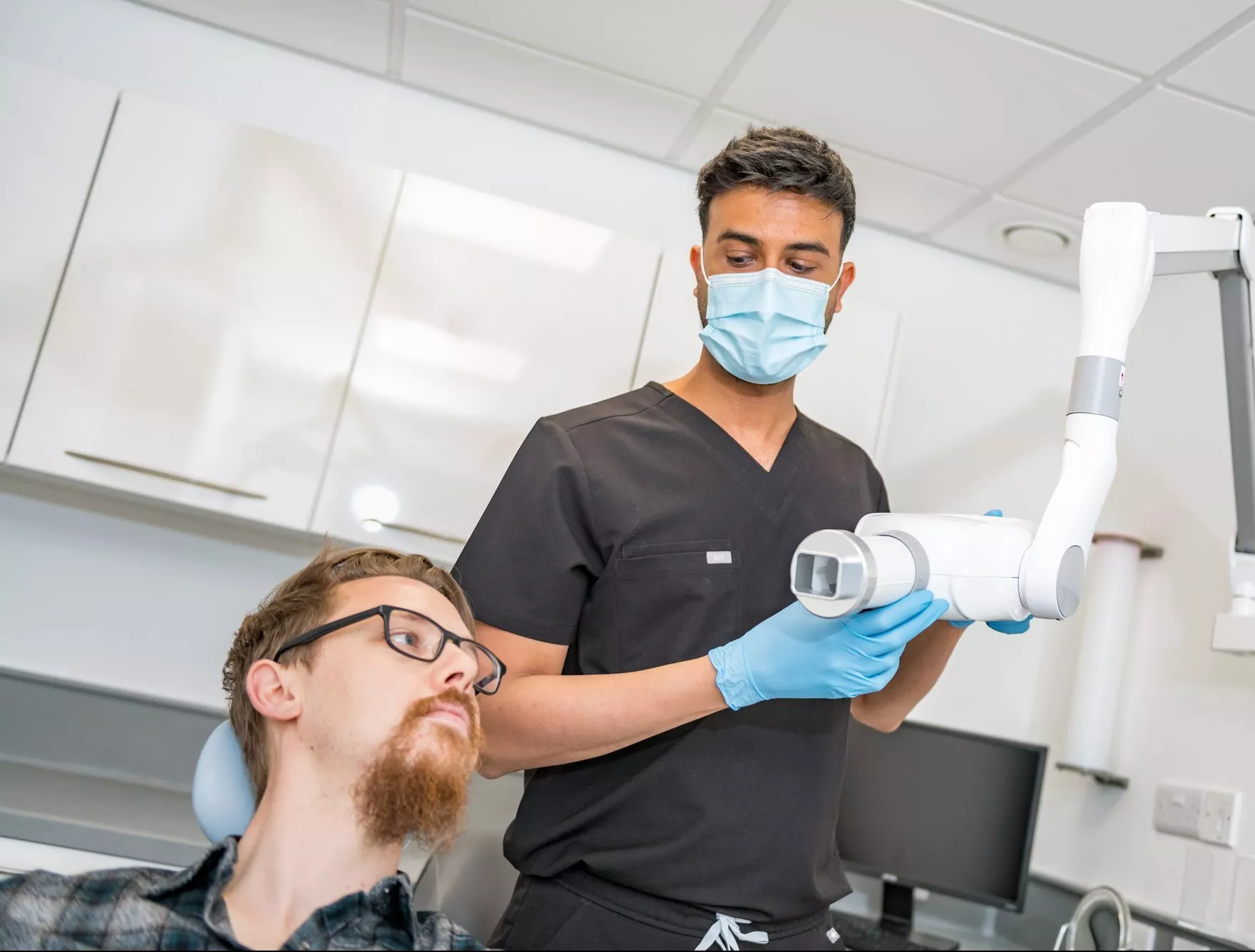
Identifying complex bite problems requires expertise that extends beyond standard dental examinations. Specialist orthodontists employ comprehensive diagnostic tools including digital imaging, cephalometric analysis, and three-dimensional modelling to understand the precise nature of each patient’s unique condition. This thorough evaluation examines not only the positioning of teeth but also the relationship between upper and lower jaws, the alignment of facial structures, and the functional aspects of how teeth come together during biting and chewing.
For families seeking specialist orthodontics Liverpool, practitioners offer advanced assessment techniques that determine whether a young patient requires early interceptive treatment or would benefit from waiting until more permanent teeth have erupted. This timing consideration proves crucial, as certain skeletal discrepancies respond more effectively to treatment during active growth phases, whilst other conditions achieve better outcomes when addressed after jaw development has stabilised.
Types of Complex Bite Problems
Several categories of bite irregularities require specialist intervention. Class II malocclusions, where the upper jaw sits significantly forward of the lower jaw, often necessitate growth modification appliances during childhood. Class III malocclusions, characterised by lower jaw protrusion, may require early orthopaedic treatment to guide jaw development. Open bites, where front teeth fail to meet when the mouth closes, and deep bites, where upper teeth excessively overlap lower teeth, each demand tailored treatment protocols that address both dental positioning and skeletal relationships.
Advanced Treatment Modalities for Young Patients
Modern orthodontic treatment has evolved considerably beyond traditional metal braces, offering young patients a range of sophisticated options tailored to their specific conditions. Fixed appliances remain highly effective for complex cases, providing precise control over tooth movement in three dimensions. However, contemporary approaches often incorporate phased treatment strategies that begin with functional appliances to modify jaw growth during childhood, followed by comprehensive alignment therapy during adolescence.
For teenagers with less severe skeletal discrepancies, clear aligner systems have emerged as viable alternatives that offer aesthetic advantages whilst delivering predictable results. These removable appliances work particularly well for patients who demonstrate strong compliance, as treatment success depends upon wearing the aligners for the prescribed duration each day. Research published in recent orthodontic studies has demonstrated that clear aligners can effectively address moderate to complex malocclusions when treatment is properly planned and monitored.
The Importance of Growth Timing
One of the most significant advantages specialist orthodontists bring to complex cases involves understanding developmental biology and growth patterns. During puberty, children experience rapid skeletal development that can be harnessed to correct jaw discrepancies that would require surgical intervention in adults. This window of opportunity makes early assessment particularly valuable, even if active treatment does not commence immediately.
Monitoring young patients through their growth phases allows orthodontists to intervene at optimal moments when biological processes support treatment objectives. Clinical evidence on orthodontic timing supports the effectiveness of growth modification techniques when applied during peak developmental periods, often reducing overall treatment duration and improving long-term stability of results.
Achieving Lasting Results Through Specialist Care
Addressing complex bite problems in children and teenagers requires more than technical skill—it demands comprehensive understanding of craniofacial development, biomechanics, and the psychological aspects of treating young patients.
Specialist orthodontic care combines evidence-based treatment planning with individualised approaches that account for each patient’s unique anatomical features, growth potential, and personal circumstances. When complex malocclusions receive appropriate specialist attention during childhood and adolescence, young patients gain not only improved dental function and facial aesthetics but also the confidence that comes with a healthy, properly aligned smile that will serve them throughout their lives.