Luis
Careful planning before construction begins can prevent unexpected problems that affect project schedules and budgets. Property owners need reliable information about existing ground conditions before making important decisions.
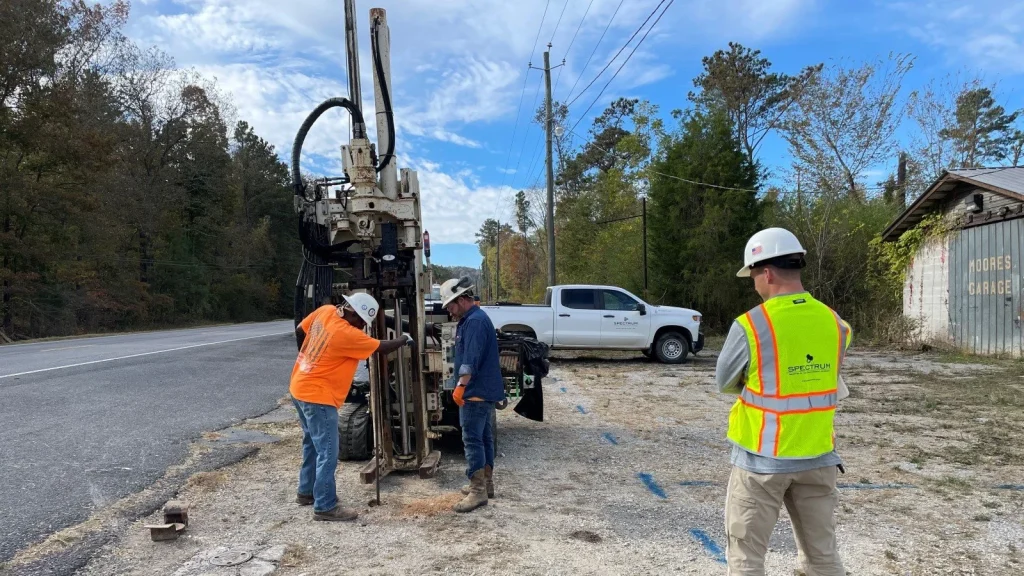
The phase II environmental site assessments click here to understand how detailed inspections help identify possible concerns.
Early action allows project teams to prepare suitable measures and avoid unnecessary interruptions during development.
Why Are Initial Checks Important?
Early inspections reveal hidden concerns before construction activities begin. They help project owners understand site conditions and make informed decisions about upcoming work.
What Causes Unexpected Site Delays?
Unidentified pollution or unsuitable ground conditions can interrupt planned activities. Proper assessments reduce uncertainty and support better preparation before work starts.
How Can Soil Conditions Affect Progress?
Soil quality influences excavation and foundation activities. Testing provides useful information about possible risks that could affect construction schedules.
Why Should Previous Property Uses Matter?
Earlier activities may leave unwanted materials beneath the surface. Reviewing property history helps investigators identify areas requiring additional attention.
Can Groundwater Concerns Interrupt Construction?
Groundwater conditions may affect excavation methods and site preparation. Early sampling helps teams recognise potential issues before major work begins.
How Does Proper Planning Reduce Uncertainty?
Clear investigation plans establish suitable testing methods. They also help project managers arrange resources and address concerns before construction starts.
When Should Property Assessments Begin?
Inspections should take place during initial planning. Early findings give decision makers enough time to review results and organise suitable responses.
Which Areas Require Detailed Environmental Testing?
Certain sections may need closer attention based on historical records and visible conditions. Professional investigators can identify suitable sampling locations through careful inspection.
- Examine previous property records to identify activities that could have affected existing soil conditions.
- Collect suitable soil samples from areas showing possible signs of contamination.
- Review groundwater conditions to understand potential environmental concerns beneath the property.
- Record inspection findings clearly so project teams can make informed decisions.
- Arrange additional laboratory testing whenever initial results indicate further investigation may be necessary.
How Can Investigation Reports Support Decisions?
Clear reports explain findings and recommend appropriate next steps. Property owners can review phase II environmental site assessments click here before arranging further technical investigations.
What Makes Sampling Procedures More Reliable?
Consistent sampling methods improve the quality of collected information. Proper documentation also helps investigators compare findings and recognise unusual results.
Reliable project planning depends on understanding existing property conditions before major activities begin. Timely inspections help identify concerns and establish suitable corrective measures. Property owners should arrange professional assessments during the earliest planning stages. Reviewing technical findings and following expert recommendations can reduce unexpected interruptions while supporting responsible development decisions.